

Applications of Agricultural Nonwoven Fabric Covering
Release time:
2024-03-29
Applications of Agricultural Nonwoven Fabric Covering
Title: Applications of Agricultural Nonwoven Fabric Covering
Introduction:
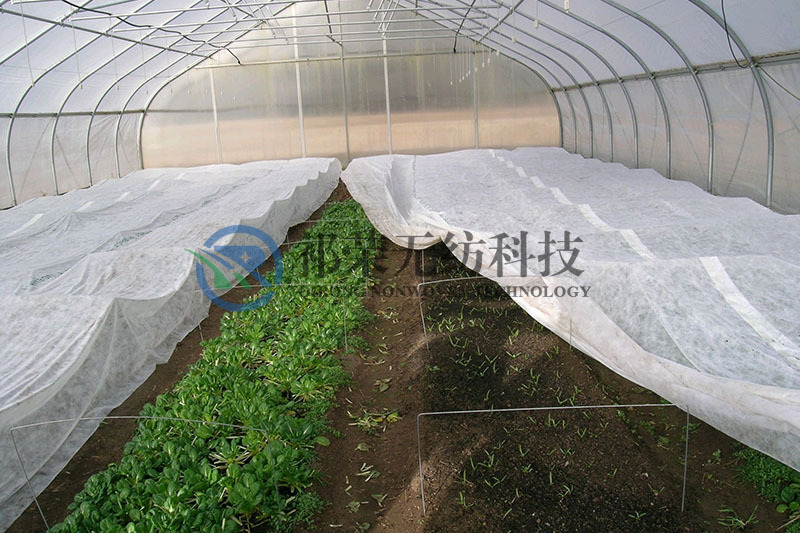
Agricultural nonwoven fabric covering, also known as agricultural spunbond fabric, has emerged as a versatile solution in modern farming practices. Its applications range from soil protection to crop enhancement, offering numerous benefits to farmers worldwide.
1. Weed Control:
One of the primary uses of agricultural nonwoven fabric is weed control. By covering the soil with nonwoven fabric, farmers can prevent weed growth, reducing the need for herbicides and manual weeding. This method not only saves time and labor but also promotes healthier crop growth by minimizing competition for nutrients and water.
2. Moisture Retention:
Nonwoven fabric covering helps in retaining soil moisture by reducing evaporation. By acting as a barrier between the soil and the atmosphere, it helps maintain optimal moisture levels for plant growth, particularly in arid or drought-prone regions. This moisture retention capability can significantly improve crop yields and reduce water consumption.
3. Temperature Regulation:
Agricultural nonwoven fabric covering serves as a protective shield against extreme temperatures. During cold weather, it acts as insulation, trapping heat near the soil and protecting delicate plants from frost damage. Conversely, in hot climates, it provides shade and helps to mitigate heat stress, ensuring optimal growing conditions for crops.
4. Pest and Disease Management:
Nonwoven fabric covering acts as a physical barrier against pests and diseases. By preventing direct contact between pests and plants, it reduces the risk of infestation and disease transmission. Additionally, it creates a microclimate that is less favorable to certain pests, further enhancing crop protection without the need for chemical pesticides.
5. Erosion Control:
In sloping terrain or areas prone to erosion, agricultural nonwoven fabric covering helps stabilize the soil and prevent erosion. By anchoring the soil in place, it reduces the impact of rainfall and surface runoff, thereby preserving soil structure and fertility. This erosion control measure is particularly beneficial for sustainable land management and conservation efforts.
6. Crop Improvement:
Nonwoven fabric covering can also be used for crop improvement purposes. By creating a controlled environment conducive to plant growth, it accelerates germination, enhances root development, and promotes uniformity in crop emergence. Additionally, it can be utilized in crop protection during delicate growth stages, such as fruit setting, to safeguard against adverse weather conditions or pest attacks.
Conclusion:
In conclusion, agricultural nonwoven fabric covering offers a multitude of applications that contribute to improved crop productivity, resource efficiency, and environmental sustainability in modern farming practices. Its versatility and effectiveness make it a valuable tool for farmers seeking innovative solutions to address the challenges of agricultural production in a changing climate and evolving global food demand.

Related News
What programs are there for the production equipment of PP non-woven fabric?
2021-11-28
Share
We will get in touch with you in time
Wenzhou Qirong Technology Co., Ltd.
E-mail: crystalqi1998@gmail.com
Address: Address: Building 12, Area B, Henghe Village Shoe Industry Park, Aojiang Town, Pingyang County, Wenzhou City, Zhejiang Province